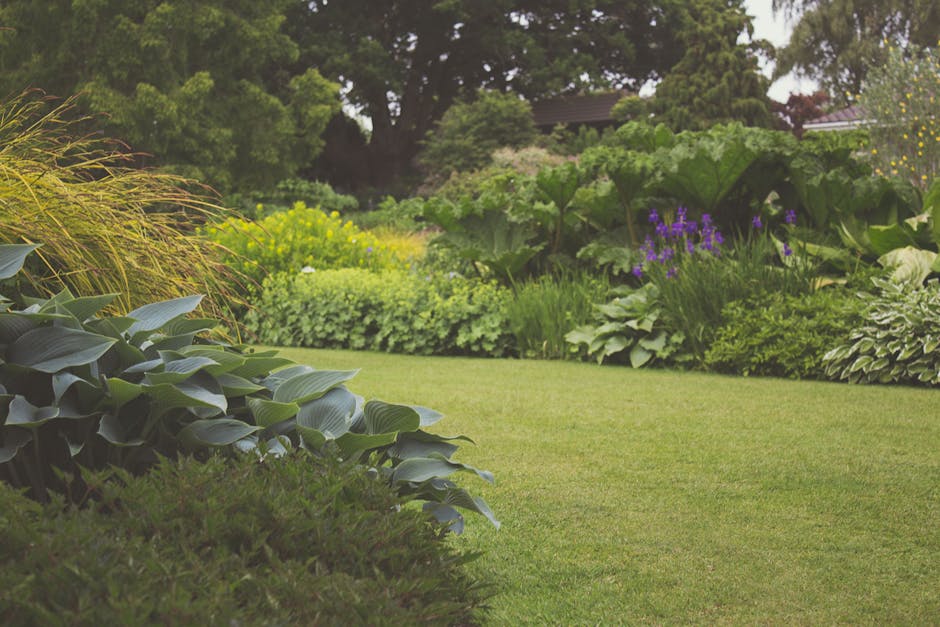
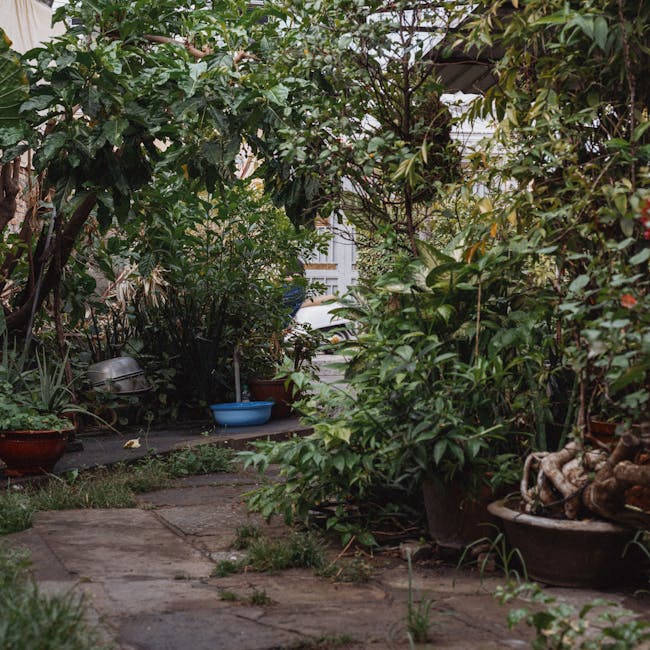
HA5 gardeners for small gardens near Pinner Station: a practical local guide
If you live near Pinner Station, you already know how quickly a small garden can swing from charming to cramped. One week it feels neat and usable; the next, the borders are crowded, the lawn edge is wobbling, and there's nowhere to sit without brushing past a shrub. That is exactly where HA5 gardeners for small gardens near Pinner Station can make a real difference.
This guide is for anyone who wants a garden that feels tidy, usable, and easy to maintain without turning it into a full redesign project. We'll cover what local gardeners actually do, how the process works, what to expect, where people get it wrong, and how to choose the right kind of help for a compact outdoor space. Truth be told, small gardens need more judgement than people think.
Whether you need seasonal maintenance, planting that works in shade, help with awkward corners, or a simple plan to make a tiny plot feel calmer and bigger, you'll find the essentials here. And yes, we'll keep it practical.
Table of Contents
- Why HA5 gardeners for small gardens near Pinner Station Matters
- How HA5 gardeners for small gardens near Pinner Station Works
- Key Benefits and Practical Advantages
- Who This Is For and When It Makes Sense
- Step-by-Step Guidance
- Expert Tips for Better Results
- Common Mistakes to Avoid
- Tools, Resources and Recommendations
- Law, Compliance, Standards, or Best Practice
- Options, Methods, or Comparison Table
- Case Study or Real-World Example
- Practical Checklist
- Conclusion
- Frequently Asked Questions
Why HA5 gardeners for small gardens near Pinner Station Matters
Small gardens are a different craft from larger landscaped spaces. There is less room to hide poor choices, less room for oversized plants, and less room to correct mistakes after the fact. Near Pinner Station, many homes have compact front gardens, narrow side returns, patio plots, or modest back gardens that need a very careful touch.
That is why local knowledge matters. A gardener who understands HA5 properties is more likely to notice the practical details that shape the result: shade from neighbouring buildings, the way wind moves through a narrow space, how paving and planting can be balanced, and where storage or access can quietly ruin the feel of a garden if nobody plans for them.
Small garden work also tends to be more visually sensitive. A few centimetres too much edging, one badly placed shrub, or a cluttered planting scheme can make the whole space feel busy. On the other hand, a good local gardener can make a small space feel calm, layered, and usable without making it look overdesigned. That balance matters.
Expert summary: the best HA5 gardeners for small gardens near Pinner Station are not simply "good at gardening" in the broad sense. They are good at scale, restraint, timing, and practical problem-solving. In a compact garden, those four things matter a lot.
If your space is meant for morning coffee, a few pots, a small lawn, or simply looking pleasant from the kitchen window, the right support can change how you use the garden day to day. Not dramatically, perhaps. But enough that you notice it every time you step outside.
How HA5 gardeners for small gardens near Pinner Station Works
Most small-garden projects follow a fairly straightforward rhythm, though the details change depending on whether you want maintenance, planting, or a light redesign. A good gardener will usually start by looking at the whole space rather than jumping straight into mowing or pruning. That sounds obvious, but lots of garden problems begin with rushing.
Here is how the process usually works in practice:
- Initial conversation: You explain what is bothering you. Overgrown borders, patchy lawn, poor drainage, messy pots, not enough privacy, or simply a garden that feels too fussy.
- Site visit or photo review: The gardener checks sunlight, access, boundaries, current planting, soil condition, and how the space is used.
- Priority setting: The work is divided into immediate fixes and longer-term improvements. In a small garden, this part is crucial. You cannot do everything at once without losing the plot, so to speak.
- Practical plan: The gardener recommends maintenance, pruning, planting, tidying, hard landscaping tweaks, or a combination of these.
- Work carried out: This might include trimming, clearing, weeding, shaping, replanting, edging, pressure washing, turf care, or container refreshes.
- Follow-up guidance: A sensible gardener will tell you what to watch for next, how often the space should be maintained, and which plants or features may need seasonal attention.
For many people, the real value lies in that first assessment. A good gardener can tell at a glance whether your garden needs a reset, a lighter touch, or just consistent maintenance for a few months. That saves time and money. It also stops you from paying for work you do not need.
If you are comparing services, it can help to look through local support pages like garden maintenance services or a broader gardening services overview to see how different jobs are usually grouped. Sometimes the most useful answer is a mix rather than one single service.
Key Benefits and Practical Advantages
The appeal of hiring HA5 gardeners for small gardens near Pinner Station is not just that the garden looks better. It is that the space starts working properly. And for a small garden, that often means everything.
1. Better use of limited space
Small gardens can feel cluttered when features are oversized or poorly placed. A skilled gardener will think in layers, sightlines, and movement. That might mean moving a planter by half a metre, reducing the number of competing textures, or opening up a cramped corner so the whole plot breathes more easily.
2. Easier maintenance
Many homeowners want a garden that looks cared for without becoming a weekend chore. Thoughtful pruning, sensible plant selection, and realistic spacing reduce maintenance over time. It is simple enough, but often overlooked.
3. Seasonal colour without chaos
Small gardens can absolutely have seasonal interest. The trick is moderation. A few reliable plants that flower at different times usually outperform a crowded mix that looks lovely for two weeks and then becomes a tangle.
4. Better privacy and comfort
Near a station or on a busy residential street, privacy can be a concern. Strategic planting, screening, and careful boundary treatment can make a garden feel more private without closing it in. Nobody wants a garden that feels like a corridor.
5. Improved property presentation
Whether you are staying put or planning to sell later, a tidy garden supports the overall impression of the home. A compact space can look especially sharp when planting, paving, and edges are all kept under control.
6. Fewer costly mistakes
In a small plot, one wrong choice stands out. A shrub that grows too large, poor drainage ignored for too long, or paving that eats up too much usable space can create avoidable expense later. Prevention is cheaper. Always.
There is also a quieter benefit. A small garden that works properly is simply nicer to live with. You see it from the kitchen, you hear the rain on the fence, you smell the herb pots after watering, and it starts to feel like part of the home again.
Who This Is For and When It Makes Sense
This kind of service is useful for a wide range of homeowners and tenants, but it is especially relevant if your garden has one or more of these characteristics:
- It is compact and hard to keep neat by yourself.
- It has awkward corners, narrow runs, or limited access.
- It receives partial shade, full sun, or mixed light that affects planting choices.
- You want a low-maintenance finish rather than a high-effort display.
- The space feels cluttered, tired, or visually smaller than it should.
- You have not had a proper garden reset in a while.
- You need help keeping on top of pruning, weeding, and seasonal change.
It also makes sense if you have just moved into a property near Pinner Station and the garden is, frankly, a bit of a mystery. Older gardens often hide a lot under the surface: self-seeded plants, hidden borders, patchy soil, and old edging that looked fine ten years ago but now leans at a worrying angle.
Families often choose local gardeners for small gardens because they need the space to be safe and usable, not just pretty. Couples and busy professionals tend to want low-fuss maintenance. Downsizers often want the garden simplified. And landlords may need a reliable tidy-up routine that keeps the property presentable. Different needs, same basic idea: make the space work better.
For more detail on recurring care, it can help to read a focused page on regular garden maintenance. The right cadence matters more than people expect.
Step-by-Step Guidance
If you want better results from a small garden project, the safest approach is to work in stages. Rushing can make the space feel messy for longer, and small spaces do not forgive bad sequencing.
Step 1: Work out what the garden is for
Ask a simple question: what do you actually want to happen in the garden? Seating? Children's play? A neat outlook? Pots and herbs? A calm green backdrop? Once you know the function, design decisions become easier.
Step 2: Measure the real usable space
It sounds basic, but people often underestimate how much room is lost to bins, fences, access paths, and door swings. In a small garden, a hidden 60 cm matters. A lot.
Step 3: Identify the pressure points
Look for the areas that create most of the frustration. That might be a shady corner where nothing grows, a strip of tired lawn, or a front border that keeps getting walked into. Fix the worst bits first.
Step 4: Decide what should stay
Not everything needs removing. A healthy climber, a mature shrub with good structure, or a well-placed tree can anchor the whole space. Good gardeners are often better editors than removers.
Step 5: Choose plants with restraint
Pick plants that suit the conditions and stay in proportion. If the garden is small, compact varieties are usually the better bet. Grouping a few repeated plants often looks calmer than mixing too many species.
Step 6: Set the maintenance level honestly
This is where many projects fail. If you do not want weekend jobs every other week, say so. The design should fit your life, not the other way around. Be honest with yourself; the garden will not mind.
Step 7: Keep refining after the first visit
A small garden improves over time. Once the structure is right, you can see what needs adjusting after a season or two. That might be reducing one bed, changing a pot scheme, or softening a hard edge with better planting.
If you are unsure what level of service you need, browsing a specialist page such as garden design support can help you understand the difference between maintenance, redesign, and one-off improvement work.
Expert Tips for Better Results
There are a few habits that consistently improve small gardens. They are not flashy, but they work.
- Repeat shapes and materials. Consistency makes a small space feel calmer. Repeating the same paving tone, pot style, or plant form reduces visual noise.
- Use vertical space wisely. Wall planting, climbers, and simple trellis can add softness without eating floor space.
- Keep the edges clean. In compact gardens, edges matter more than people think. A neat boundary line makes the whole plot look cared for.
- Choose plants for behaviour, not just looks. Some plants spread fast, flop in shade, or need more feeding than you want to give. Attractive is fine. Manageable is better.
- Leave breathing room. Do not fill every corner. A small garden benefits from negative space, just like a small room in a house.
- Plan for the view from indoors. Near Pinner Station, many gardens are seen more from the kitchen, hallway, or back room than from the centre of the lawn. Design for that first glance.
One little trick local gardeners use is to step back several times during a job, especially after cutting, planting, or moving containers. What looks good up close can feel too busy from the back door. The eye needs a minute. Sometimes two.
If your garden is affected by overhead shade, nearby walls, or awkward site conditions, services linked to shade garden planting can be especially useful. The right plant choice changes everything.
Common Mistakes to Avoid
Small gardens are full of traps for the unwary. Luckily, most of them are avoidable.
Overplanting is probably the biggest one. People buy too many plants because the space looks empty in winter, then by July the garden feels stuffed. A better plan is to leave space for growth and add interest through layers, not quantity.
Using too many materials is another common mistake. Too many paving styles, too many pot colours, too many decorative finishes - it can look lively for a moment, then messy. Keep the palette tight.
Ignoring maintenance is a quieter problem. A small garden that is not maintained becomes unruly quickly because every inch is visible. If you want the garden to stay pleasant, build in routine care from the start.
Choosing high-maintenance plants without realising it. Some plants are beautiful but demanding. If you are away often, or just do not enjoy fuss, that is not the direction to go in.
Blocking light and movement with oversized features. In a compact space, a chunky bench, tall planter, or broad shrub can make the area feel smaller than it is. That is a shame, because the right feature can do the opposite.
Forgetting drainage and soil condition can also cause trouble. If water sits in a border or the soil is tired, planting may struggle no matter how nice the scheme looks on paper. A gardener worth their salt will check that early.
And then there is the classic one: buying plants because they looked lovely in the shop on a sunny afternoon. We have all been there. But the garden is not the shop. It has its own light, its own wind, its own mood.
Tools, Resources and Recommendations
You do not need a shed full of specialist kit to keep a small garden in good shape, but a few tools and habits make life much easier. For ongoing maintenance, a competent local gardener will usually bring the right equipment for cutting, edging, pruning, clearing, and shaping. Still, if you are doing some light care yourself, a simple setup is often enough.
- Hand secateurs: useful for deadheading, light pruning, and tidying soft growth.
- Border fork or hand fork: helpful for loosening compacted soil and working compost in.
- Quality watering can or hose setup: especially important for pots and newly planted areas.
- Sharp edging tool: keeps lawn and border lines crisp.
- Gloves and kneeler: basic, but in a small space they make repeated tasks more comfortable.
- Compost and mulch: good for refreshing tired soil and reducing water loss.
For a professional approach, the most useful "resource" is often a properly considered maintenance plan. If you are comparing service types, pages such as landscaping support and garden clearance services can help you see whether your space needs a light refresh, a clear-out, or something more structural.
It also helps to keep simple notes after each visit: what was cut back, which plants struggled, where water pools after rain, and what looked best by late summer. That tiny bit of observation saves guesswork later. Very unglamorous, but useful.
Law, Compliance, Standards, or Best Practice
For most small-garden maintenance jobs, the legal side is straightforward, but there are still good practice points to keep in mind. If work involves boundary features, tree work, access, waste removal, or electrical garden equipment, it is sensible to use a gardener who understands standard UK expectations and works carefully.
Boundary and neighbour consideration: If a job affects shared fences, overhanging growth, or access near neighbouring land, it is best to be considerate and clear before work begins. A polite conversation can prevent needless friction. Gardens are personal spaces, but they sit close to other people's homes, and that matters.
Waste handling: Green waste from pruning, clearance, and cuttings should be managed responsibly. A proper gardener will usually discuss removal or recycling as part of the job rather than leaving you with a mystery pile by the gate.
Tree and hedge work: More significant pruning should be approached with care, especially where protected trees, boundary disputes, or nesting birds may be a factor. If there is any uncertainty, the safe move is to pause and check before cutting. No one enjoys redoing avoidable mistakes.
Tools and equipment: Power tools, ladders, and sharp cutting equipment should be used responsibly. For homeowners, this means choosing a competent service provider and not trying to force a DIY job that is outside your comfort zone.
Best practice: Ask for clear scope, clear timing, and clear expectations. A straightforward written summary of what will be done is often enough. It keeps everybody on the same page, which is surprisingly valuable in small garden projects.
If you want a broader view of what a garden service may include, it can be helpful to review a garden services FAQ page before booking. It is easier to plan when you understand the usual process.
Options, Methods, or Comparison Table
Small garden care near Pinner Station can be delivered in different ways. Which one suits you depends on budget, time, and how much change you want.
| Approach | Best for | Typical advantages | Possible drawbacks |
|---|---|---|---|
| One-off tidy-up | Overgrown or neglected small gardens | Fast visual improvement, clears the backlog | Can slip back without follow-up care |
| Regular maintenance | Busy households and neat gardens | Prevents build-up, keeps the garden usable | Requires ongoing commitment |
| Light redesign | Spaces that feel awkward or cramped | Improves layout, planting, and visual flow | Takes more planning and upfront spend |
| Seasonal refresh | Pots, borders, and small feature gardens | Easy way to keep the garden looking lively | Less effective if structure is poor |
| Targeted problem-solving | Shade, drainage, screening, or access issues | Solves specific pain points without overhauling everything | May not address broader layout issues |
If you are not sure which route to take, start with the smallest effective option. That is usually the sensible move in a compact garden. You can always build from there.
Case Study or Real-World Example
Imagine a small back garden near Pinner Station: narrow lawn, tired border, three pots that have somehow multiplied into nine, and a corner that never seems to dry out after rain. The owners want the space to feel calmer, but they do not want a full rebuild.
A local gardener might approach it in stages. First, the clutter goes. Pots are reduced to a simpler group. The border is cut back and reshaped so plants have room to breathe. The damp corner is inspected, and if it is simply a light issue rather than a serious drainage problem, the planting is changed to suit those conditions. A small seating area is kept clear so the family can actually use the garden without stepping over bits and bobs.
By the end, the garden is not huge. It is still small. But it feels ordered. You can see the boundary lines, the sitting area makes sense, and the planting looks intentional instead of random. That is often the whole game in a compact outdoor space.
What changes most is not the size. It is the sense of ease.
If the plot needs more than maintenance, a page like patio installation can be useful to understand how hard landscaping might help create usable space without making the garden feel crowded.
Practical Checklist
Use this simple checklist before booking work or planning your next garden visit.
- Do I want maintenance, a tidy-up, a light redesign, or all three?
- Have I identified the parts of the garden that bother me most?
- Is the main problem layout, planting, upkeep, or something structural?
- Do I know how much time I want to spend maintaining the space afterwards?
- Have I checked which plants are thriving and which are failing?
- Is there enough light, drainage, and access for the current setup?
- Are the borders, edges, and paths safe and tidy?
- Do I want to improve privacy, seating, or the view from indoors?
- Have I allowed for seasonal change, not just summer appearance?
- Do I understand what will be done first and what can wait?
Quick reality check: if you answer "not really" to most of those, that is fine. It just means the garden would benefit from an expert set of eyes before you spend money in the wrong place.
Get a free quote today and see how much you can save.
Conclusion
Small gardens near Pinner Station deserve careful, proportionate attention. They do not need everything thrown at them. They need good judgement, sensible planting, neat finishing, and a maintenance rhythm that actually fits your life. That is the real value of choosing HA5 gardeners for small gardens near Pinner Station: the work is shaped around the space, not forced onto it.
Whether you want a quick reset, better planting, a calmer layout, or a long-term maintenance plan, the best results usually come from taking one clear step at a time. Start with the space you have, accept its limits, and improve the bits that matter most. The garden will thank you for it, in its own quiet way.
And honestly, there is something lovely about stepping out on an ordinary morning and thinking, yes, this works now.
Frequently Asked Questions
What do HA5 gardeners for small gardens near Pinner Station usually help with?
They usually help with maintenance, pruning, weeding, planting, tidy-ups, small layout improvements, and keeping compact spaces manageable. In a small garden, the right support often saves time and prevents clutter from building up.
Is a small garden worth professional maintenance?
Yes, often more than people expect. Small gardens show neglect quickly, so a little professional care can make a big difference. It also helps you avoid buying the wrong plants or making the space feel overcrowded.
How often should a small garden near Pinner Station be maintained?
That depends on the planting, season, and how much use the space gets. Many small gardens benefit from regular visits during the growing season, with lighter checks in colder months. A good gardener can suggest a realistic schedule.
Can a small garden be made to feel bigger without major building work?
Yes. Simple changes like reducing clutter, repeating materials, improving edge lines, and using the right planting can make a space feel more open. Careful layout choices often matter more than expensive features.
What plants work best in compact gardens?
Usually plants that stay in proportion, suit the light conditions, and are not too demanding. Compact shrubs, well-chosen climbers, and repeated border plants often work better than a crowded mix of large species.
Do I need a full redesign if my garden feels awkward?
Not always. Sometimes targeted changes are enough: better pruning, a simpler planting scheme, or clearing one problem area. A full redesign makes sense if the layout is fundamentally limiting the space.
How do I know if my garden has a drainage issue?
Standing water after rain, soggy patches that linger, and plants struggling in the same spot are common signs. A gardener can usually tell whether it is a drainage issue, compacted soil, or simply a plant choice problem.
What should I ask before hiring a gardener for a small garden?
Ask what they recommend first, how they would prioritise the work, whether waste removal is included, and how they handle seasonal maintenance. It is also wise to ask for examples of small-garden work, even if only in general terms.
Is there a difference between garden clearance and regular maintenance?
Yes. Clearance is usually about removing overgrowth, debris, and unwanted material to reset the space. Maintenance is about keeping the garden in good shape over time. Many small gardens need a clearance first, then ongoing care.
Can small garden work be done in stages to spread the cost?
Absolutely. In many cases, that is the most sensible approach. Start with the biggest problem, then tackle planting, surfaces, or shaping later. A staged plan is often less stressful and easier to manage.
What makes local gardeners a better fit for HA5 homes near Pinner Station?
Local gardeners are usually more familiar with the character of nearby properties, the types of gardens common in the area, and the practical issues that show up in compact residential spaces. That local familiarity can lead to better decisions and fewer surprises.
How can I keep a small garden looking good between visits?
Focus on the basics: water consistently, remove dead growth, keep edges tidy, and avoid adding too many new plants or objects. Small, regular habits do more than occasional big efforts. Little and often, as people say.